Productos mas vendidos
-
 Agotado
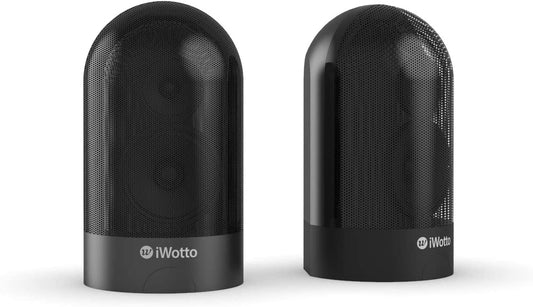
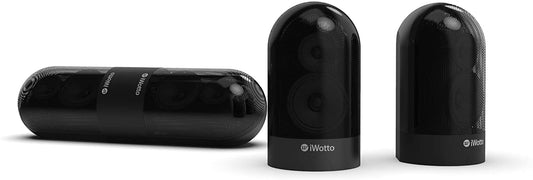
Altavoces Duo
Precio habitual 29,99€ EURPrecio habitualPrecio unitario por59,99€ EURPrecio de oferta 29,99€ EURAgotado -
 Agotado
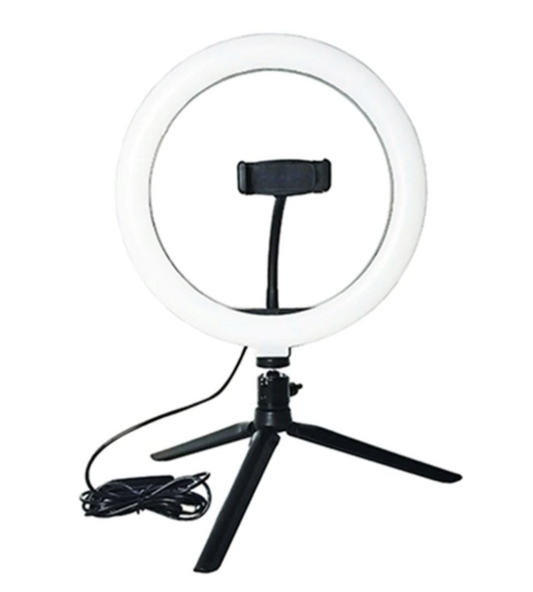
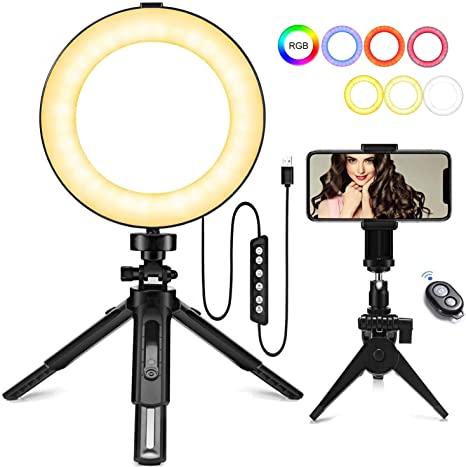
Aro de Luz Profesional
Precio habitual 39,99€ EURPrecio habitualPrecio unitario por59,99€ EURPrecio de oferta 39,99€ EURAgotado -
 Agotado
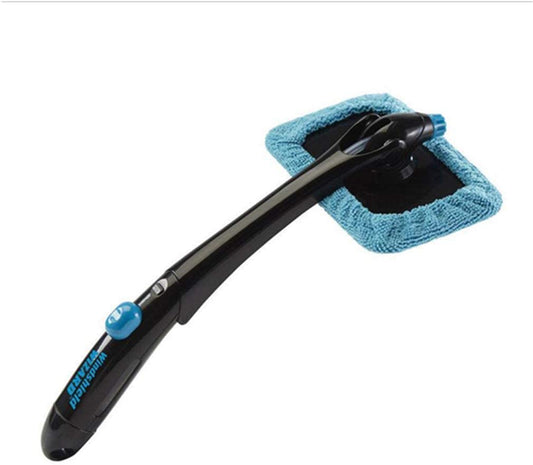
Asistente Parabrisas
Precio habitual 29,99€ EURPrecio habitualPrecio unitario por39,99€ EURPrecio de oferta 29,99€ EURAgotado -
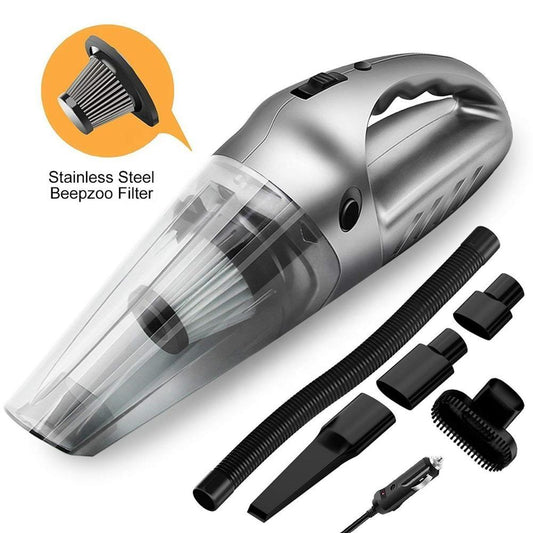
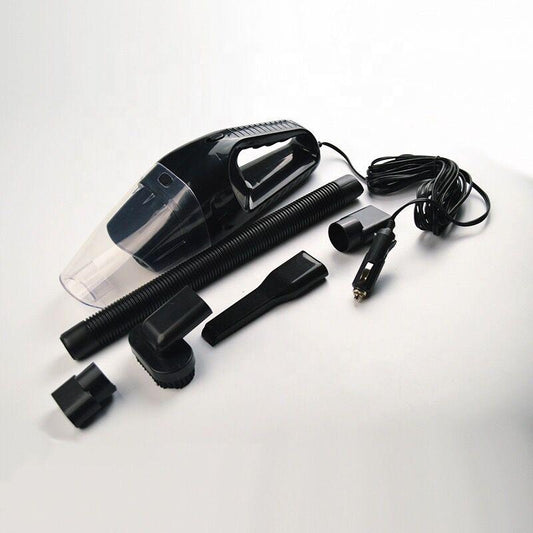
Aspirador Portátil para Coche
Precio habitual 35,99€ EURPrecio habitualPrecio unitario por32,50€ EURPrecio de oferta 35,99€ EUR -
 Oferta
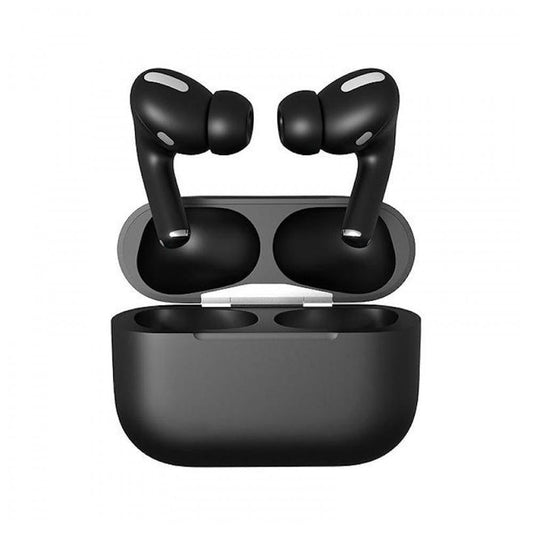
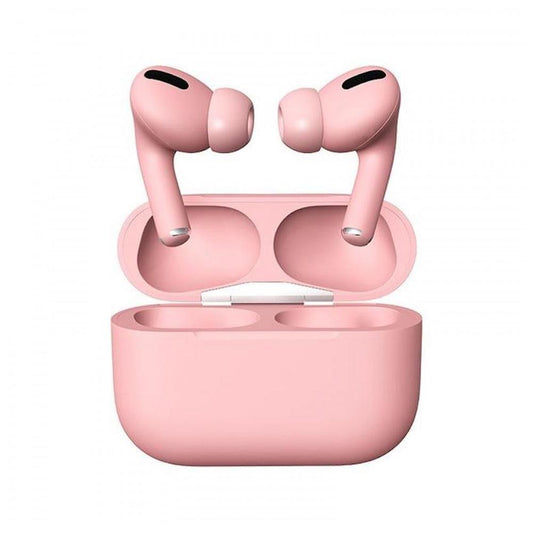
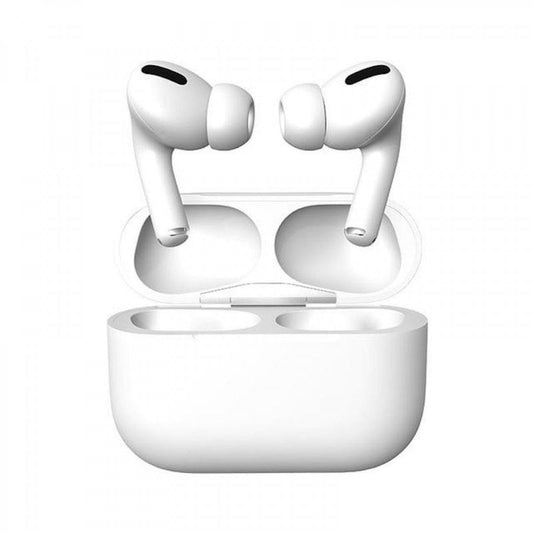
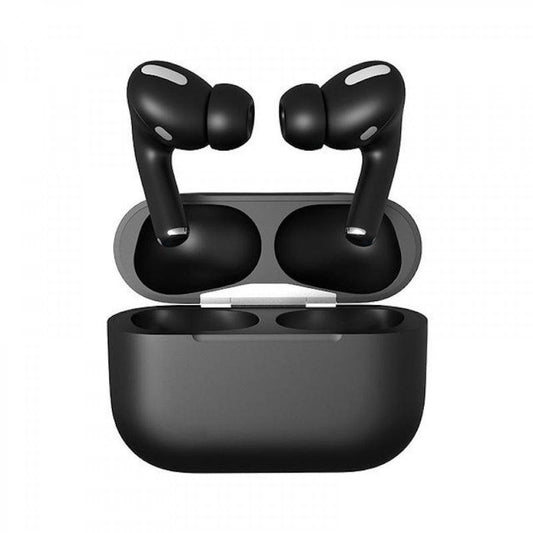
Auriculares Bluetooth Pro
Precio habitual 49,99€ EURPrecio habitualPrecio unitario por79,99€ EURPrecio de oferta 49,99€ EUROferta -
 Oferta
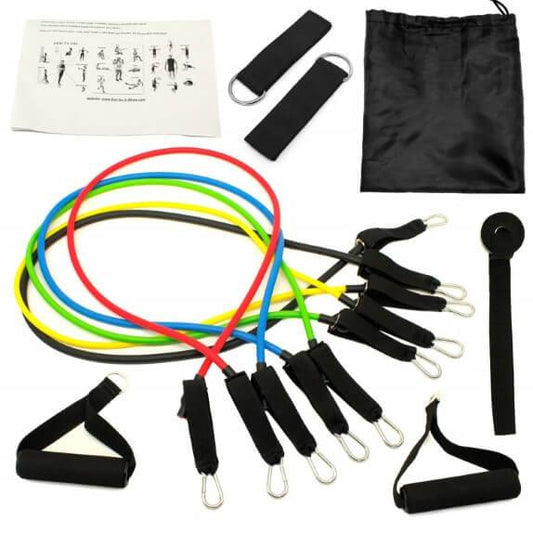
BANDAS DE RESISTENCIA
Precio habitual 29,99€ EURPrecio habitualPrecio unitario por59,99€ EURPrecio de oferta 29,99€ EUROferta -
 Agotado
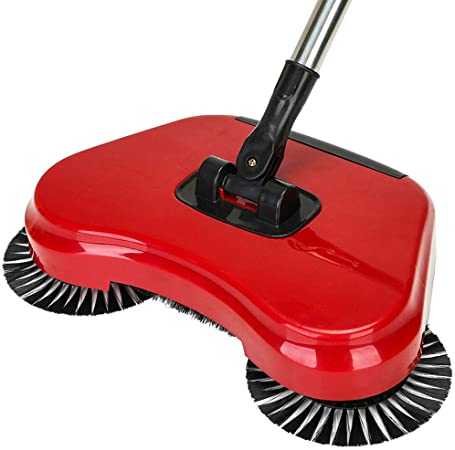
BARREDORA AUTOMÁTICA
Precio habitual 39,99€ EURPrecio habitualPrecio unitario por59,99€ EURPrecio de oferta 39,99€ EURAgotado -

 Agotado
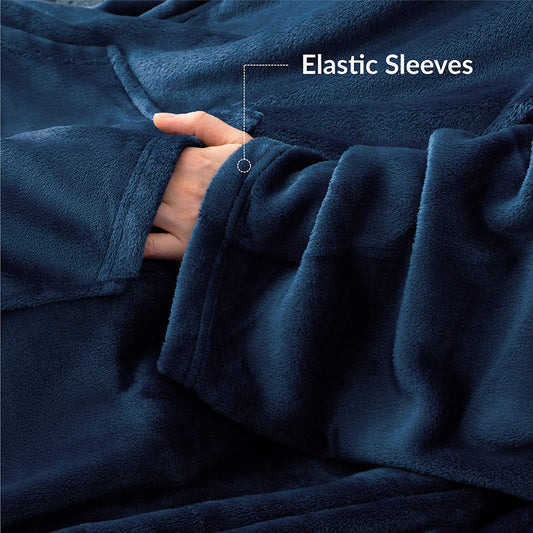
Bata manta
Precio habitual 39,99€ EURPrecio habitualPrecio unitario por -
 Agotado
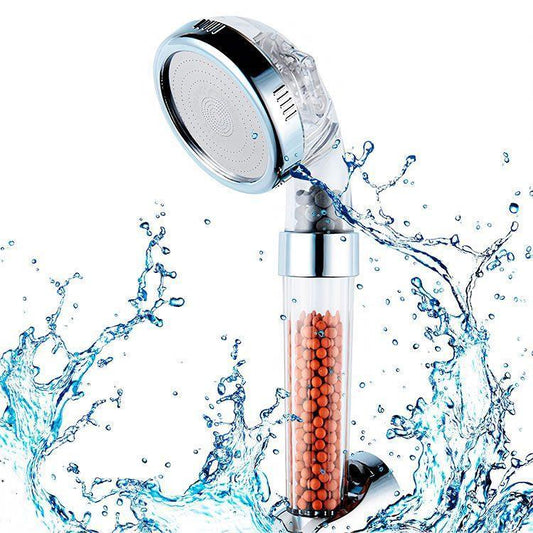
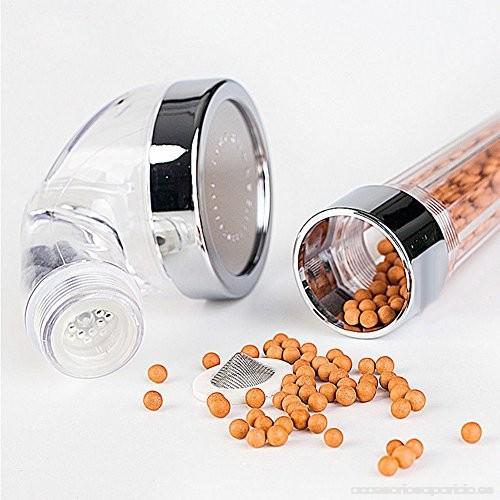
Cabezal Iónico Naturducha
Precio habitual 34,99€ EURPrecio habitualPrecio unitario por -
 Agotado
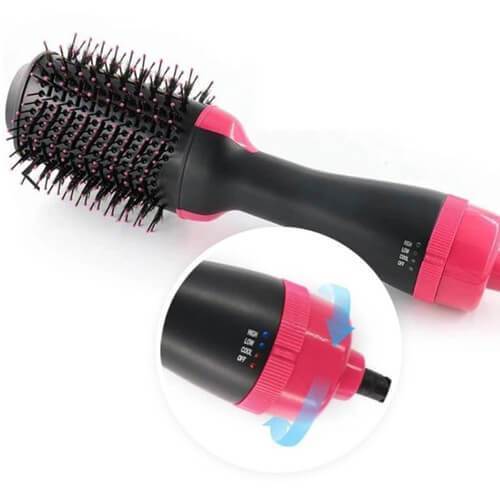
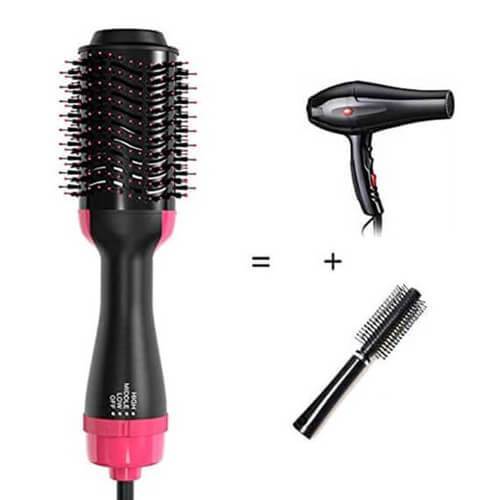
Cepillo + Secador
Precio habitual 39,99€ EURPrecio habitualPrecio unitario por59,99€ EURPrecio de oferta 39,99€ EURAgotado -
 Agotado
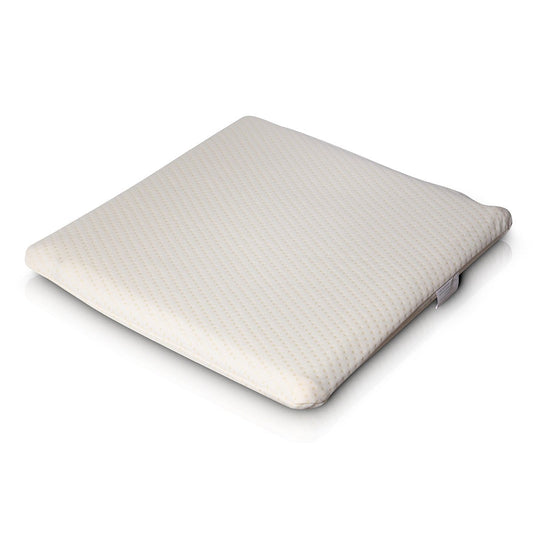
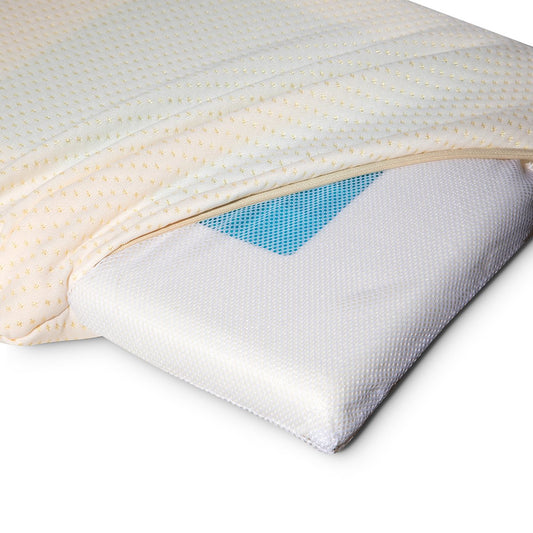
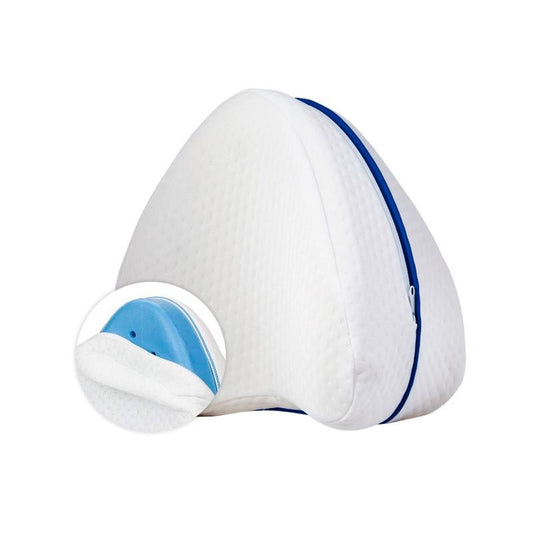
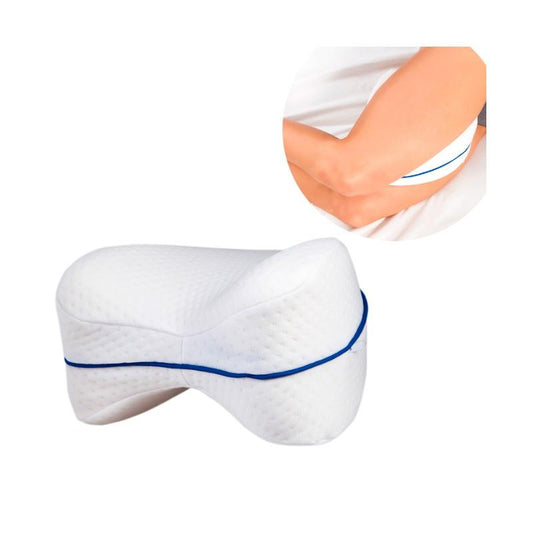
Cojín Confort Gel Plus
Precio habitual 29,99€ EURPrecio habitualPrecio unitario por49,99€ EURPrecio de oferta 29,99€ EURAgotado -
 Agotado
COJÍN ERGONÓMICO
Precio habitual 29,99€ EURPrecio habitualPrecio unitario por -
 Oferta
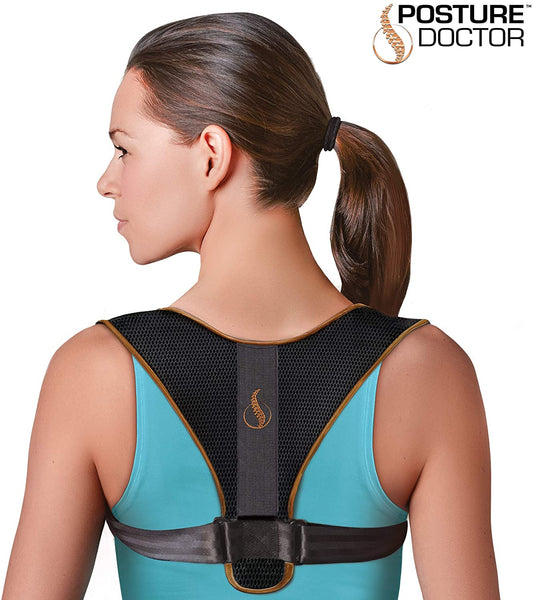
Corrector de postura
Precio habitual 29,99€ EURPrecio habitualPrecio unitario por49,99€ EURPrecio de oferta 29,99€ EUROferta -
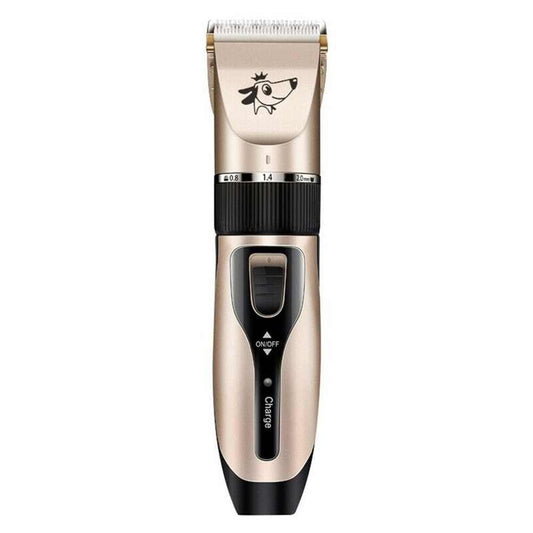
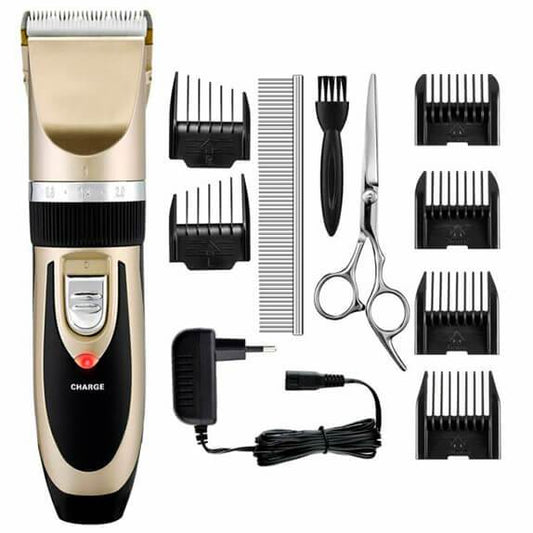
Cortadora de pelo para Mascotas Silenciosa
Precio habitual 29,99€ EURPrecio habitualPrecio unitario por55,99€ EURPrecio de oferta 29,99€ EUROferta -

 Oferta
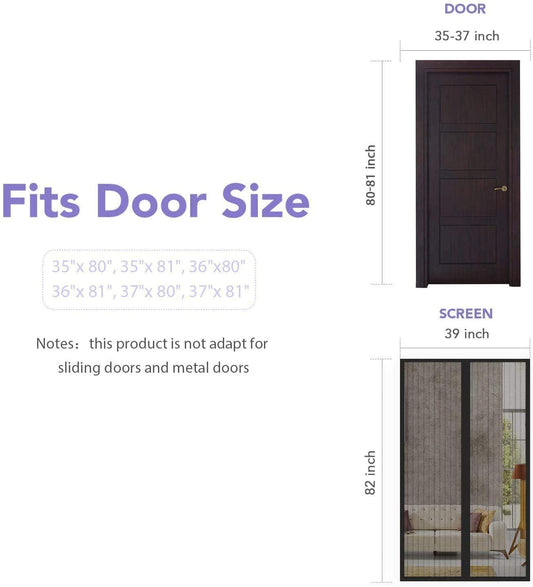
Cortina Magnética
Precio habitual 29,99€ EURPrecio habitualPrecio unitario por49,99€ EURPrecio de oferta 29,99€ EUROferta -
 Oferta
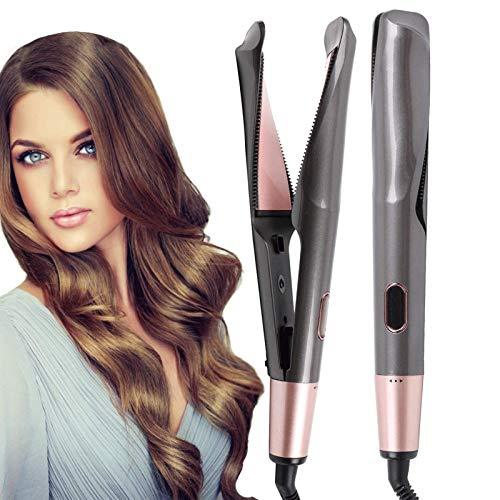
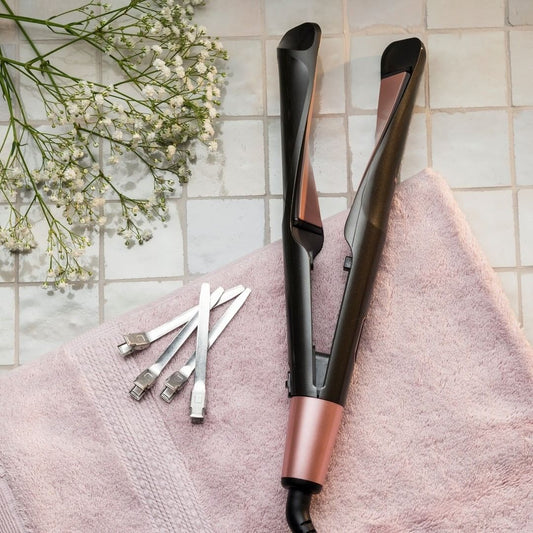
Curl & Straight Plancha Pelo
Precio habitual 39,99€ EURPrecio habitualPrecio unitario por59,99€ EURPrecio de oferta 39,99€ EUROferta -
 Oferta
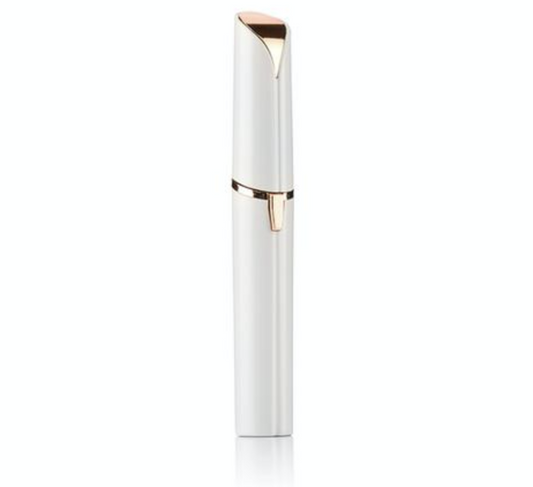
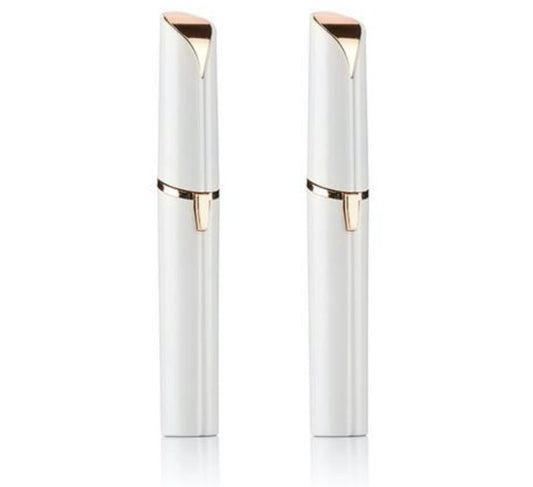
DEPILADOR LASER PRO
Precio habitual A partir de 19,99€ EURPrecio habitualPrecio unitario por49,99€ EURPrecio de oferta A partir de 19,99€ EUROferta -
 Agotado
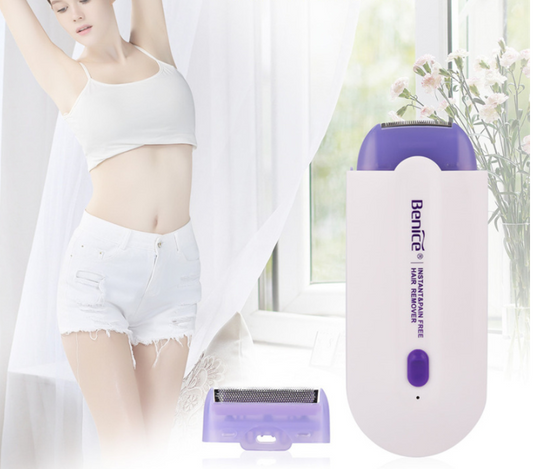
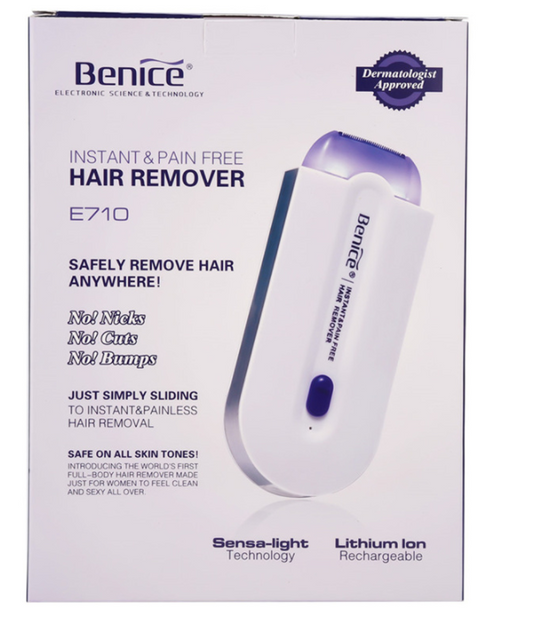
Depiladora Benice SIN DOLOR
Precio habitual 34,99€ EURPrecio habitualPrecio unitario por49,99€ EURPrecio de oferta 34,99€ EURAgotado -
 Agotado
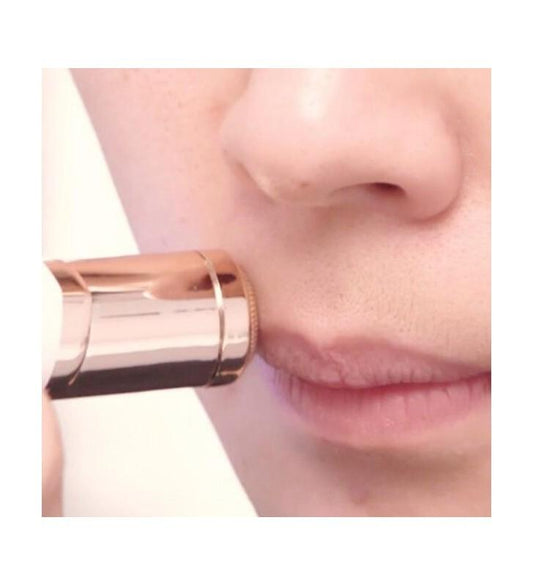
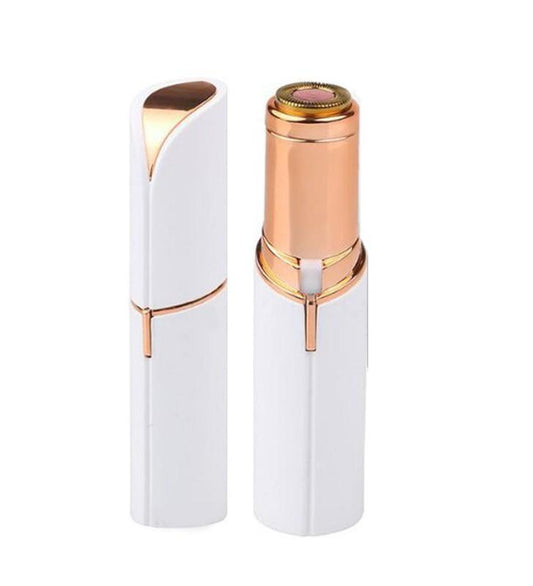
Depiladora Eléctrica Discreta
Precio habitual 19,99€ EURPrecio habitualPrecio unitario por39,99€ EURPrecio de oferta 19,99€ EURAgotado -
 Oferta
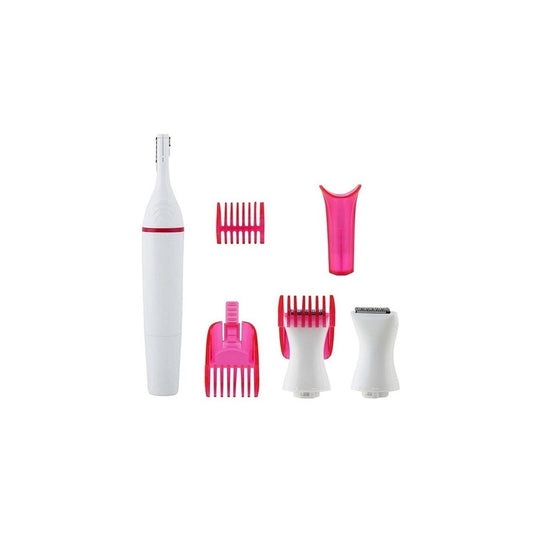
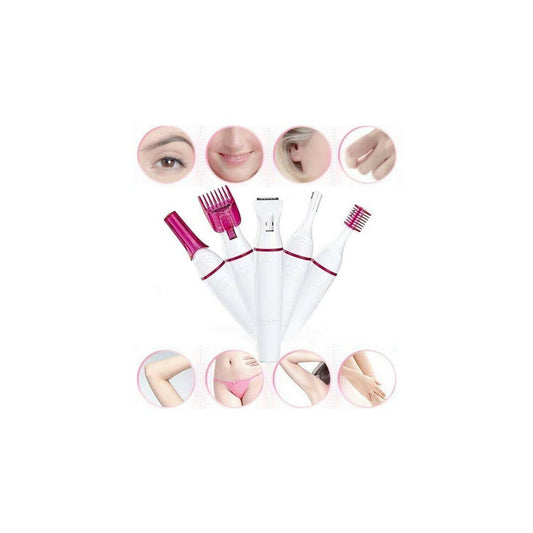
DEPILADORA PERSONAL
Precio habitual 29,99€ EURPrecio habitualPrecio unitario por59,99€ EURPrecio de oferta 29,99€ EUROferta -
 Oferta
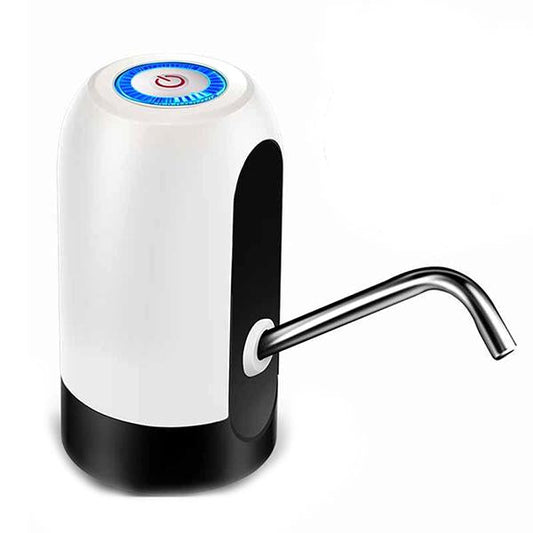
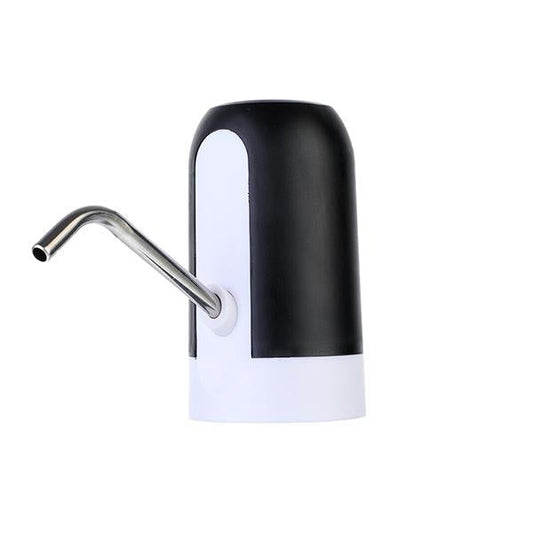
Dispensador Eléctrico
Precio habitual 29,99€ EURPrecio habitualPrecio unitario por59,99€ EURPrecio de oferta 29,99€ EUROferta -

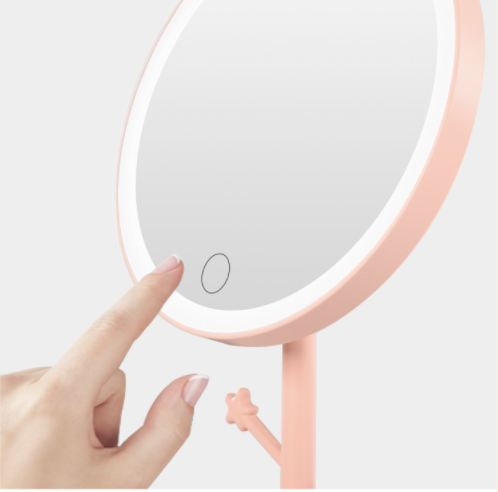 Oferta
Espejo Magnific® LED
Precio habitual 29,99€ EURPrecio habitualPrecio unitario por55,99€ EURPrecio de oferta 29,99€ EUROferta -
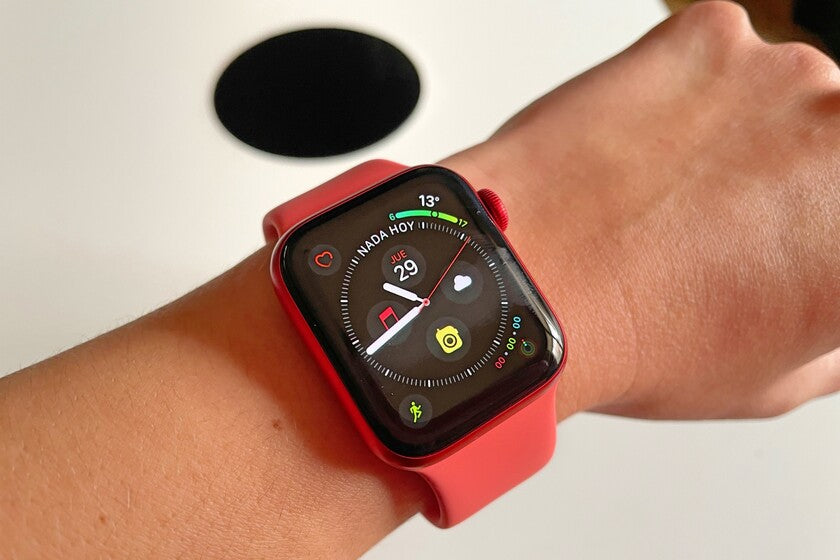
FitSmart 2023 - reloj inteligente
Precio habitual 39,99€ EURPrecio habitualPrecio unitario por79,99€ EURPrecio de oferta 39,99€ EUROferta